Enzymes in Fish Feed for Fish Farming
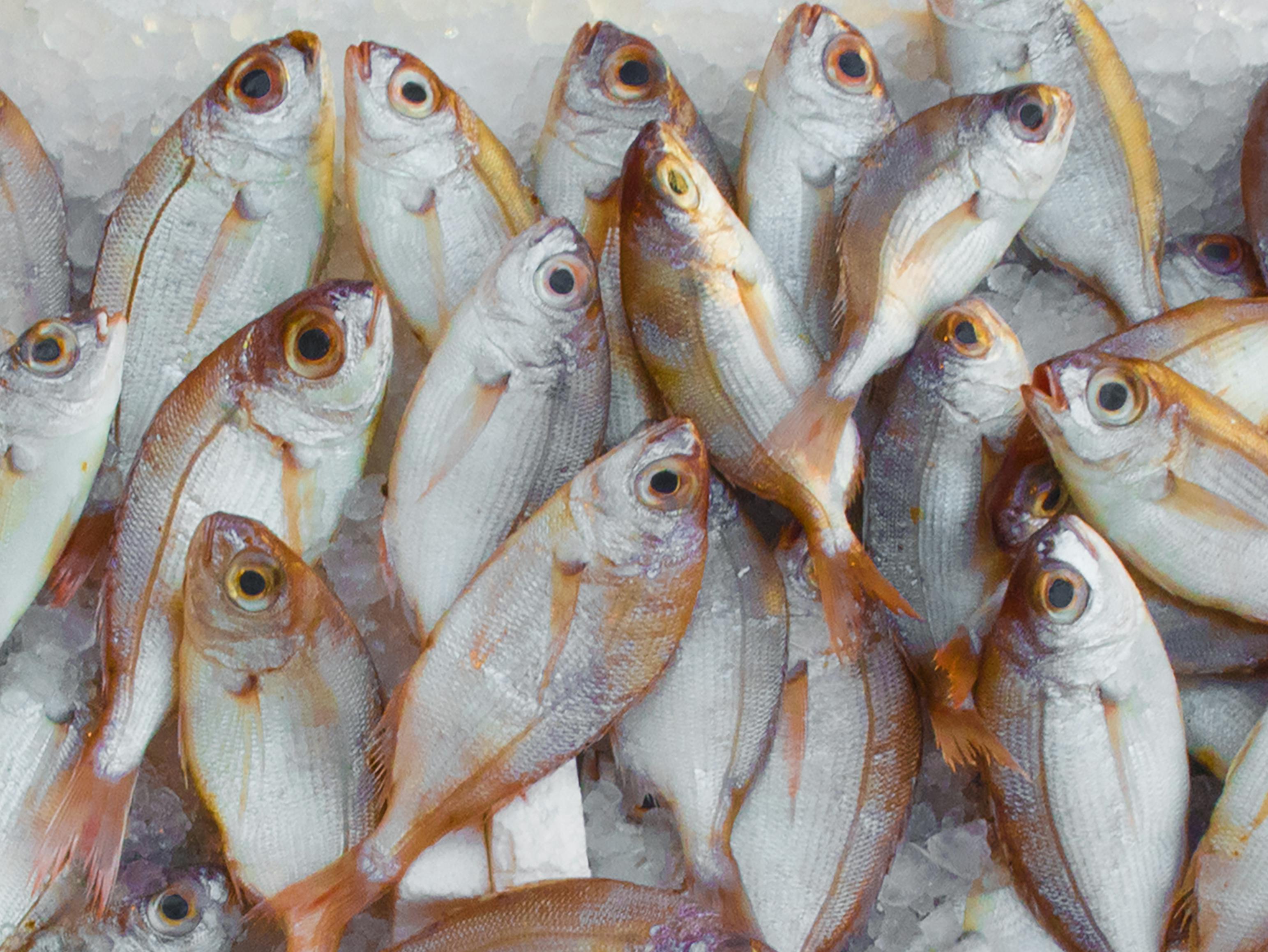
Improving the efficiency of feed utilization is essential as feed accounts for the largest cost in fish farming. However, certain nutrient rich ingredients in the feed cannot be fully digested and metabolized by the animal resulting in partial or incomplete absorption of such nutrients, which results in a negative impact in the overall performance and growth of the animals. Application of specific enzymes in fish feed can help in eliminating the effects of anti-nutritional factors and improve the utilization of dietary energy and amino acids, resulting in enhanced performance of fish, shares Ms. Vidya, Regional Technical Manager for Canafa AquaScience.
INTRODUCTION
According to a report by Food and Agriculture organization (FAO), global population is expected to grow and reach 9 billion by 2050 and one critical challenge of growing population is the supply of food and protein source. Fishes are known to be one of the most energy efficient protein sources with average food conversion ratio (FCR) ranging from 1.2 to 2.0, having high protein (18 to 20g per 100g of serving) and low calorific value (96 to 208 calories per 100g of serving). For a growing population, it is important that feed given to farmed fish remains sustainable. Enzymes will help in using economical raw materials, increase performance, and decrease anti-nutritional factors.
RAW MATERIALS IN FISH FEED
Most of the raw materials used in fish feed industry are plant based; corn, corn gluten meal, rice bran, wheat bran, sunflower seed meal, groundnut meal, cottonseed meal, linseed meal, copra meal and DORB (de-oiled rice bran). All these raw materials have high fiber, which are the undigested part of the feed, not digested by the innate enzymes naturally found in the fish gut. The non-digestible fiber includes high levels of non-starch polysaccharides made of cellulose, hemicellulose and lignin. There are many evidences that have reported increase in the viscosity of digested feed due to the presence of non-starch polysaccharides, which leads to decrease in the available nutrients in the feed.
EXOGENOUS ENZYME SUPPLEMENTATION
Supplementation of exogenous NSPases (non-starch polysaccharides degrading enzymes) and phytases is known to improve digestion of natural and supplemented feed, thereby improving the feed efficiency and performance.
Addition of NSPases and phytases is a smart solution for improving the profitability in aquaculture. It not only helps in the digestion of high fiber containing raw materials but also helps in reducing the usage of minerals like MCP and DCP (mono and dicalcium phosphate). Canafa AquaScience research team has formulated an enzyme product with the combination of NSPases and phytase based on the raw materials used in fish feed and the feeding behavior.