Global Food Ecosystem Impacts on Climate Change
Food Sector’s Role in Climate Change
In recent years, with the growing concern of climate change, sustainability has become a primary focus area for many organizations. Over the decades, the world has experienced the varying impact of global warming, from dwindling numbers of endangered species to rapid changes in weather patterns.
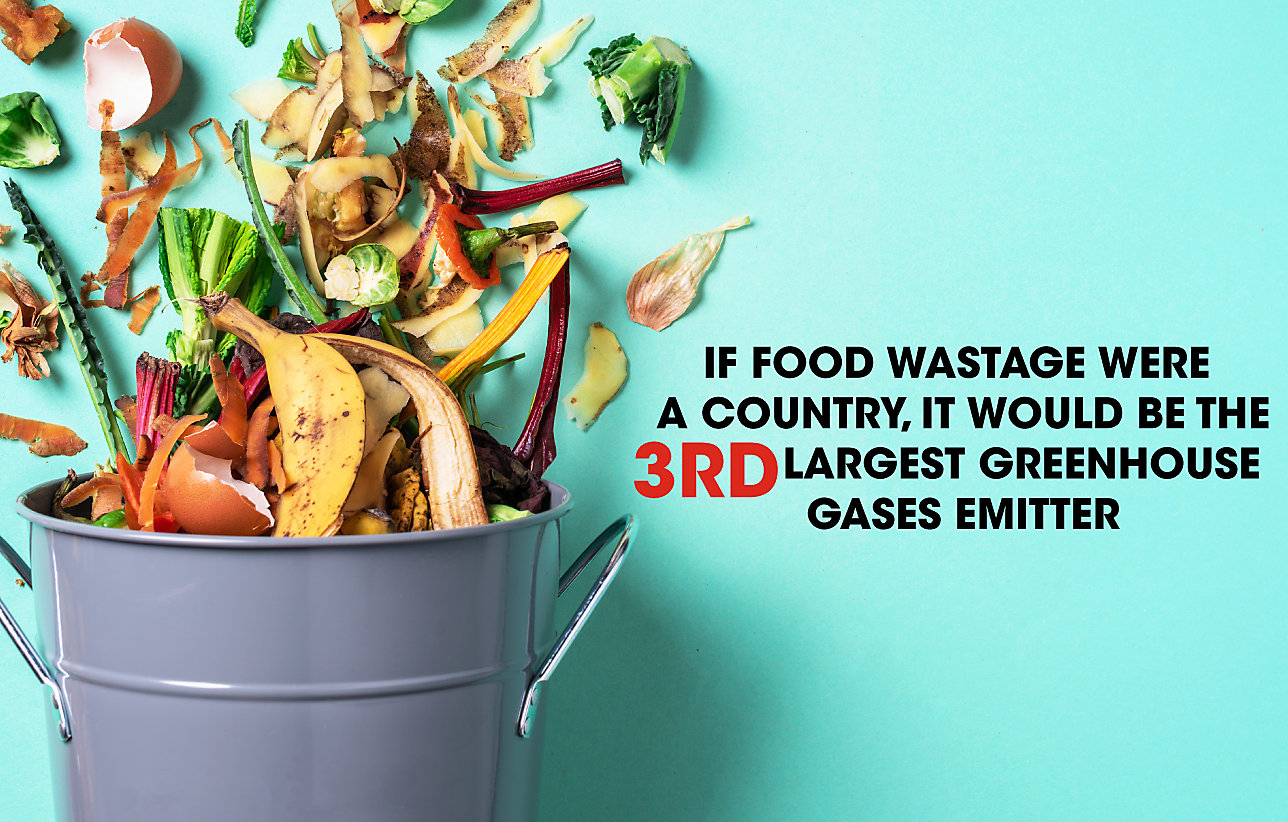
Each year, the global food ecosystem creates approximately 34% of total anthropogenic greenhouse gas (GHG) emissions – about 18 gigatones of CO2 equivalent. Since food is a fundamental physiological necessity, measures must be taken to lessen the environmental cost of producing enough food for the world’s growing population by creating more sustainable systems for the future. Actions like changing food production, reducing food waste and extending shelf life could all aid in negating climate change issues.
First Global Approach : United Nations 1972
In 1972, the United Nations (UN) Conference on the Human Environment, held in Stockholm, brought together political leaders, diplomats, scientists and non-governmental organizations (NGOs) for the first global conference and large-scale effort to highlight environmental issues and large- focus on the impact of human socio-economic activities on the environment.
Five decades later, the same fundamental issues remain and even continue to grow, as the impact of climate change is more apparent than ever before. Political leaders and NGOs are urging various industries across public and private sectors to align on sustainability efforts – and the food industry is a main focus. As an essential business-to-business supplier of food ingredients, Canafa Industries has a global corporate vision to sustainably transform the quality of life every day for 80% of the world with its products and services.
Reducing Carbon Footprint & Enhancing Shelf-Life Sustainability
In the food industry, food is considered lost or wasted when it reaches the landfill. To address food waste, extending shelf life often arises as one way to combat the issue. Food manufacturers and ingredient suppliers, like Canafa, must ask ourselves: How can we reduce the amount of food in landfills, better manage production rejection, increase shelf life and improve the overall quality of our products?
"Study suggests that strategic efforts in terms of shelf-life prolongation could address food waste... An adoption of shelf-life solutions is not only able to reduce economic costs but also to the salvation of climate change. "
With a model-based approach to empirical market evidence, statistical analysis highlights an inverse correlation between quantity of products returned from the market and their shelf life. Results suggest that strategic efforts in terms of shelf-life prolongation could benefit food waste. For specific products with shelf life in this range (30-50 days), proper prolongation could significantly reduce the number of products returned from the market if unsold in their commercial life.
One way to manage and extend food products’ shelf life is to mitigate shelf-life challenges, such as food safety and quality deterioration of food, to ensure that products have ample time to move through the supply chain without spoiling, even with unforeseen circumstances such as transportation, weather or handling mishaps. Adopting shelf-life solutions makes the food industry more capable of meeting the better-for-you mega trend, while helping minimize the impact of climate change. Antioxidants and antimicrobials are commonly known as effective shelf-life preservers for food products.